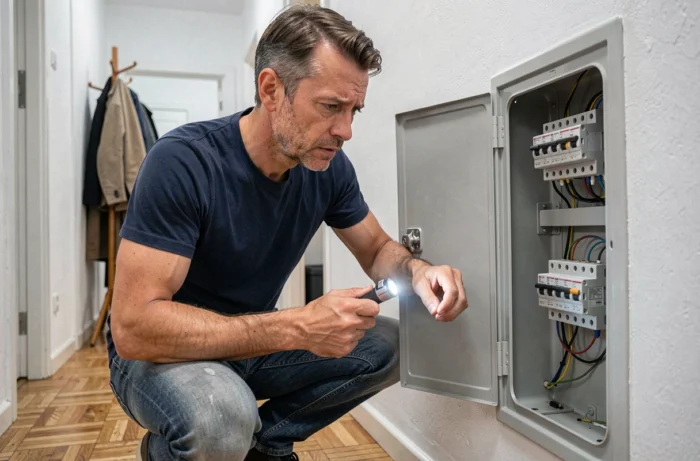
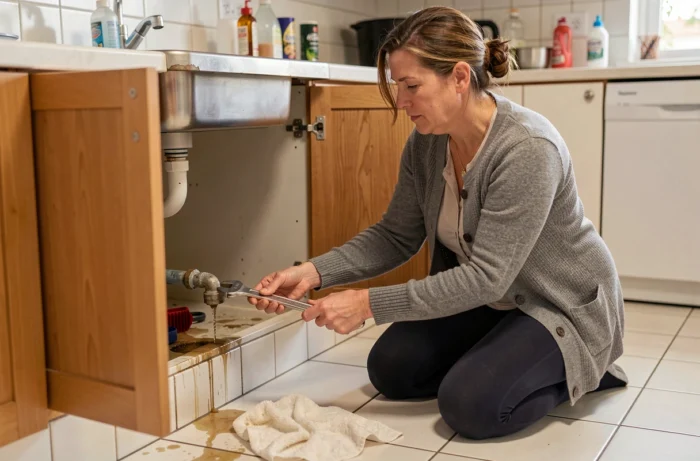
A leak under the sink, a circuit breaker tripping in the middle of the night, a jammed lock after a break-in attempt: a domestic breakdown requires a quick response. Emergency home repairs follow specific rules, including a regulatory framework that most occupants discover when they need it. Understanding these rules before an incident occurs changes the quality of the decision made under pressure.
Written estimate required before intervention: what the law says even in emergencies
Since an order dated January 24, 2017, which came into effect on April 1, 2017, any service of repair, maintenance, and home troubleshooting requires a detailed written estimate before work begins, regardless of the estimated amount. Plumbing, locksmithing, electricity, heating: no trade escapes this obligation.
The word “emergency” does not eliminate this requirement. What changes is only the regime of the right of withdrawal: the consumer can waive it for the part strictly necessary to stop the danger, provided they make an express written request. A professional who starts working without providing a signed estimate is in violation.
Specifically, a locksmith called for a slammed door must detail on paper or digital support the cost of labor, the cost of parts, the travel fee, and the hourly rate before touching the lock. A reliable craftsman, for example listed on sos-urgence-depannage.fr, provides this estimate as soon as contact is made by phone or upon arrival on site. Any refusal of a prior estimate is a serious warning signal.
Cold calling prohibited: the opt-in rule since August 2026
Since August 11, 2026, commercial cold calling is prohibited by default in France. The system has shifted from an opt-out model (registration on Bloctel to refuse calls) to a generalized opt-in: a professional can no longer call an individual to offer work or troubleshooting without prior explicit consent.
The burden of proof rests with the professional, who must demonstrate this consent in case of a check. This change directly impacts situations of breakdown at home.
Why this rule changes the game in case of a breakdown
Before this reform, unscrupulous companies would collect phone numbers and call individuals who had searched for a repairman online. The classic scenario: a resident panicked by a water leak would type a search, leave their contact details on a form, and then receive several calls from companies with opaque pricing.
Now, any unsolicited commercial call is presumed illegal. If a repairman contacts you by phone without you having given your written consent, this action violates the regulations. The reflex to adopt: hang up and prioritize a contact that you initiate yourself, checking the reviews and legal mentions of the service provider.
Safety measures by type of domestic breakdown
Before any professional intervention, a few immediate actions can help limit damage and protect occupants. The logic is always the same: cut off the source of the problem, then assess whether the situation requires an emergency repairman or can wait for a business day.
- Water leak: turn off the main shut-off valve (often located near the meter or under the main sink), then cut off the electrical supply to appliances near the flooded area to avoid a short circuit.
- Localized electrical failure: check the electrical panel. If only one circuit breaker has tripped, the problem likely comes from an appliance plugged into that circuit. Unplug it, then reset the circuit breaker. If the main differential trips again, cut the power and call an electrician.
- Jammed lock or slammed door: do not force the mechanism with an improvised tool, which damages the cylinder and increases the bill. Check if another entry (open window, service door) is accessible before contacting a locksmith.
- Heating failure in winter: bleed the radiators if the system runs on hot water. Check the circuit pressure on the boiler’s pressure gauge. Abnormally low pressure can sometimes be corrected by opening the filling valve for a few seconds.
Home insurance and coverage for home repairs
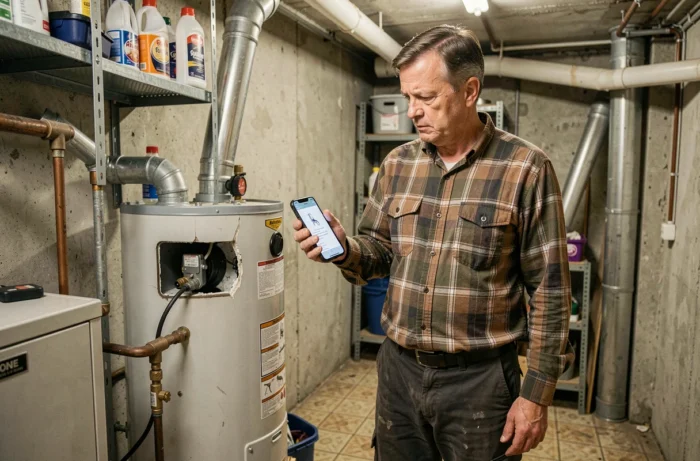
The majority of home insurance contracts cover certain types of repairs, but coverage varies according to the guarantees subscribed. Three common scenarios arise.
The water damage guarantee, present in almost all contracts, covers costs related to a leak, a pipe break, or an infiltration. It generally covers the search for leaks and the repair of the direct cause of the damage.
Some contracts offer an optional guarantee titled “emergency home repair.” It covers plumbing, locksmithing, and electrical interventions up to an annual limit. Check the conditions: some exclude interventions outside of business hours or require going through a network of partner craftsmen.
The reflex to have before calling a craftsman
Contact your insurer or check your online customer area before hiring a professional. Many contracts require reporting the damage within two business days for coverage to apply. Calling the insurance first also allows you to obtain an approved craftsman, which simplifies reimbursement and reduces the risk of overcharging.
If the emergency requires immediate action (heavy leak, electrical risk), perform the safety measures described above, take photos of the situation before and after the intervention, and then report the damage as soon as possible, attaching the estimate and invoice from the repairman.
Emergency domestic repairs can be summarized in three steps: secure the area yourself, demand a written estimate before any intervention, and check the coverage of your home insurance. Regulations now better protect consumers, particularly with the prohibition of unsolicited cold calling. Keeping these points in mind before a breakdown occurs is the best way to avoid unpleasant surprises on the bill.