
Your evening is free, a weekend is coming up without plans, and the temptation of the couch is gaining ground. The classic reflex – scrolling through videos or binge-watching episodes – works, but it rarely leaves a lasting memory. The leisure activities gaining traction in France share a common point: they combine immediate pleasure with gradual learning, without requiring an extravagant budget or an empty schedule.
Trail and nature running: the fastest-growing sports leisure activity
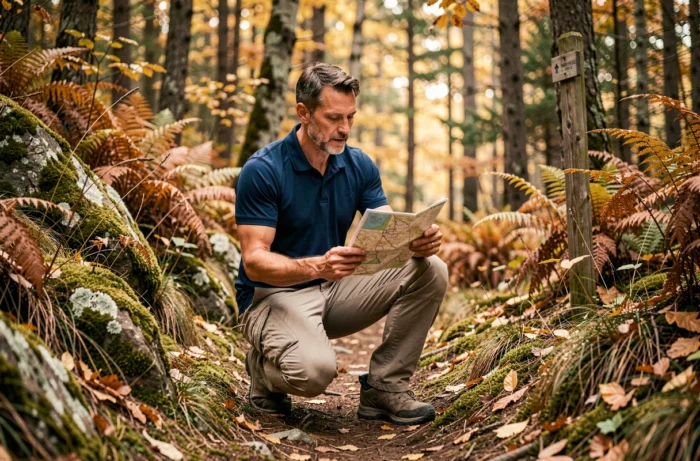
If you’re looking for an accessible physical activity without joining a club, trail running deserves your attention. The number of trail activities recorded on GPS tracking platforms has increased by 160% between 2024 and 2025. The number of active participants continues to grow by more than 11% between 2025 and 2026.
This progression can be explained by the very nature of trail running. No need for reserved terrain or a partner. A forest path, a pair of suitable shoes, and the session begins. Trail running also attracts because it combines sport, exploration of the territory, and digital disconnection.
You can explore the leisure activities offered by journalglobal.fr to find other outdoor disciplines that follow this same dynamic of accessibility.
The national barometer of sports practices 2025 (INJEP) confirms a broader trend: accessible and low-cost sports leisure activities dominate. Walking, hiking, running, fitness activities, and cycling are at the forefront. The gap in participation between men and women is now only one point in 2025, compared to six points seven years earlier, indicating a clear feminization of leisure sports.
Creative hobbies and hands-on workshops: learning by doing
Have you ever felt the satisfaction of making something with your hands, even if it’s imperfect? This is the driving force behind the creative workshops that are multiplying in cities and online.
Painting, pottery, embroidery, advanced cooking: these activities share a common mechanism. You start by reproducing a simple gesture, you achieve a visible result in one session, and then you refine your technique over the weeks. The tangible result motivates more than an abstract goal.
Choosing a workshop that suits your pace
Most creative workshops operate on short formats, between one and three hours. Here are a few concrete criteria to find the right one:
- Materials are provided on-site, avoiding an initial investment before knowing if the activity suits you
- Limited groups (six to ten people) allow for real support from the instructor, not just collective monitoring
- A “discovery” workshop without commitment is better than a quarterly subscription signed in the enthusiasm of the first class
Creative cooking follows the same logic. Reproducing a complex dish at home after a two-hour class provides lasting pleasure, well beyond the evening spent in the workshop.
Digital leisure: from casual gaming to online courses
For those aged 18-30, digital leisure is no longer just a pastime. It constitutes the main structure of free time, around which physical, cultural, or creative activities are added.
Casual gaming on mobile illustrates this shift. Short sessions (five to fifteen minutes), accessible anywhere, without dedicated equipment. This format adapts to fragmented schedules: between two appointments, on public transport, during lunch breaks.
Online courses and new skills
The other side of digital is learning. Platforms offer language, music, drawing, or programming courses in a modular format. Each module lasts between ten and thirty minutes, allowing for progress even with a busy schedule.
Learning a hobby online works if the format requires active practice, not just passive viewing. Courses that require producing an exercise between each lesson have a much higher completion rate than simple tutorial videos.
Sport, creativity, or digital: how to decide based on your free time
The common trap is wanting to try everything at once. Three activities launched in the same month, none maintained beyond four weeks. The mechanism is predictable: each new hobby requires a phase of discomfort before it becomes enjoyable.
A realistic decision rests on two simple questions. How many free slots do you actually have per week? And do you prefer a solitary or collective hobby?
- With only one weekly slot, regular physical activity provides the best return in terms of perceived well-being (sleep, energy, mood)
- With two slots, combining a sports practice and a creative or intellectual hobby creates a satisfying balance
- For unpredictable schedules, modular digital leisure remains the most adaptable
The INJEP barometer shows that the activities that are growing the most are those compatible with busy schedules: walking, running, cycling, fitness activities. The common denominator is scheduling flexibility.
Test before committing
Many cities offer open house days in sports and cultural associations in September. This is the ideal format to try a board game in a club, a dance class, a pottery workshop, or a guided trail outing, without paying a term in advance.
The choice of a sustainable hobby is not made on a whim inspired by a viral video. A lasting hobby is one that you look forward to returning to the following week, not the one that impresses the most on social media. The best activity for your free time is the one you will still be practicing in three months.