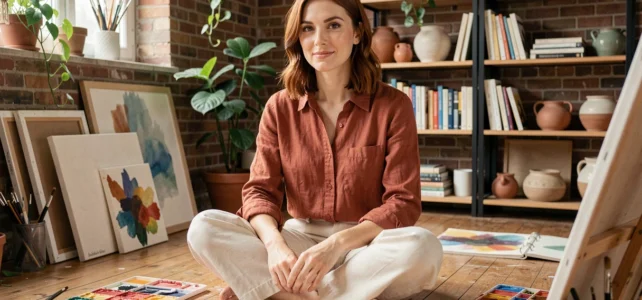
Leisure time is no longer just about choosing between a movie and a Sunday stroll. For a few seasons now, leisure practices in France have been undergoing profound transformation, driven by desires for proximity, digital sobriety, and concrete discoveries. The leisure trends emerging for the coming months reflect this shift: people are less focused on accumulating outings and more on experiencing moments that truly matter.
Outdoor equipment rental: leisure replacing purchase
Have you ever hesitated to buy a paddleboard or mountain bike just to use it three weekends a year? That reflex is fading. Renting outdoor equipment is becoming a full-fledged leisure practice, far beyond just a backup solution.
According to data from Lokki, a French platform supporting over 1,400 rental providers, leisure equipment rentals increased by about 3.7% between July and August 2026 compared to the previous summer. The average basket reaches 141 euros, up nearly 5%. French people are renting less for transportation and more for practicing, discovering a sport, or temporarily equipping themselves with high-end gear.
Gravel bikes, cargo bikes, kayaks, paddleboards: the catalog is expanding, and renting is positioning itself as a premium leisure experience. Instead of storing equipment in the garage, people are reserving gear suited to the day’s activity. This model appeals to both families and occasional sports enthusiasts, who gain access to ranges they wouldn’t purchase. Several players in this sector are listed on the Net Actu leisure site, where outdoor practices are increasingly featured in editorial content.
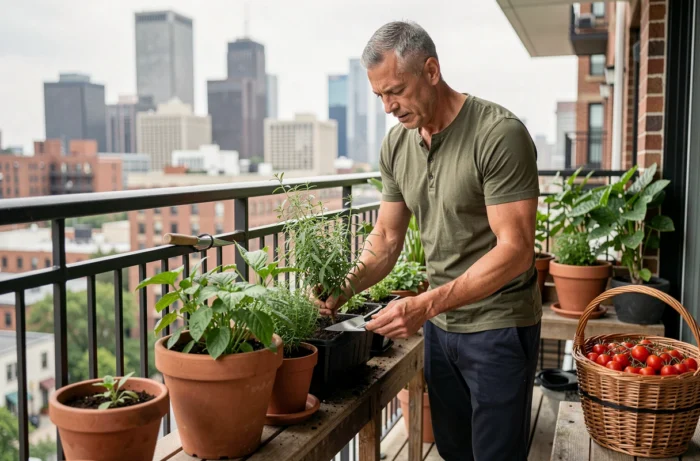
Casual gaming on mobile: an underestimated daily leisure
Video gaming on smartphones has little in common with the image of a gamer glued to their screen. Mobile casual gaming now concerns a very broad population, well beyond traditional gamers.
Mobile gaming has become the primary daily digital leisure for a significant portion of French adults. Sessions last a few minutes, often during commutes or breaks. This short and accessible format explains its massive adoption.
What is changing in 2024 is the nature of the games being played. Puzzle, strategy, and simulation titles are gaining ground over action games. Casual gaming serves a decompression function that television once occupied: a buffer between two activities, without time or financial commitment. Far from the cliché of wasting time, this practice integrates into a daily life where leisure time is fragmented.
Indoor family leisure: why covered parks are multiplying
Indoor leisure spaces are visibly thriving in urban and suburban areas. Trampolines, motor skills courses, climbing walls, themed playrooms: the offerings are diversifying to meet specific parental demands.
- A unique place that combines several activities, simplifying weekend organization for families with children of different ages.
- Year-round accessibility, independent of the weather, a decisive criterion in rainy regions.
- Often flexible time slots, with half-day options that adapt to fragmented schedules.
These spaces appeal to parents because they combine practicality and physical activity for children. The model also works for teenagers, with offers focused on virtual reality or escape games. The indoor leisure trend reflects a concrete need: finding accessible family activities without planning a long-distance trip.
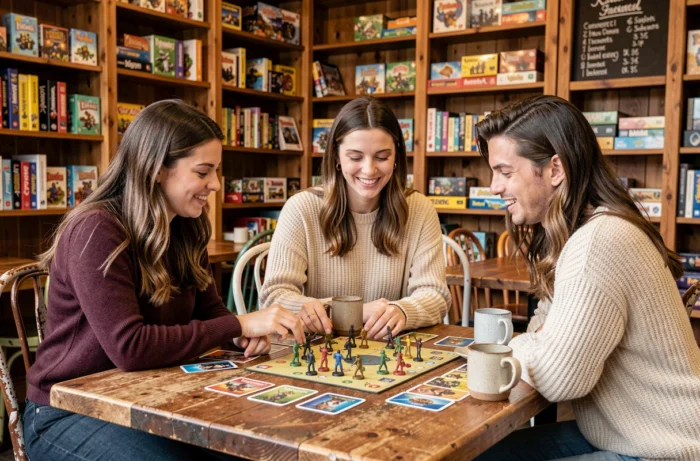
Libraries and cultural third places: a strong comeback
Did you think libraries were losing ground? Attendance says otherwise. French media libraries have never welcomed so many visitors, boosted by extended hours, new digital services, and an offering that far exceeds book lending.
Creative workshops, coworking spaces, book clubs, access to online resources: the library is becoming a cultural leisure third place that is free. This revival attracts a diverse audience, from students to retirees, including young parents.
This trend aligns with a broader movement seeking low-cost leisure with high social value. Visiting a nearby cultural venue, participating in a workshop without a paid registration, borrowing a board game or an e-reader: these practices are becoming commonplace. For local authorities, it is a lever for local attractiveness that does not require heavy infrastructure.
Slow leisure and disconnection: slowing down as a full-fledged activity
Slow travel is making waves in tourism. Its counterpart in everyday leisure is quietly establishing itself, but with the same logic: doing less, better, and without screens.
Gardening, contemplative walking, drawing, slow cooking: these manual or slow activities are regaining popularity. They address a need for decompression that digital leisure does not always fulfill.
- Urban gardening (balconies, shared gardens) appeals to a new generation of city dwellers seeking contact with nature.
- Pottery and ceramics workshops have waiting lists in many medium-sized cities.
- Short hikes, without performance goals, are gradually replacing timed trail running for some practitioners.
This movement is not a step backward. It reflects a conscious choice: to dedicate free time to activities that provide tangible benefits (relaxation, creativity, social connection) rather than to passive consumption of content.
Current leisure trends share a common thread: the search for concrete, accessible experiences tailored to a fragmented daily life. Whether it’s renting a paddleboard on Saturday morning, playing a puzzle on mobile during the subway ride, or attending a pottery workshop on Wednesday evening, free time is being redefined around what truly adds value. The budget may not necessarily increase, but the demand for quality is certainly rising.