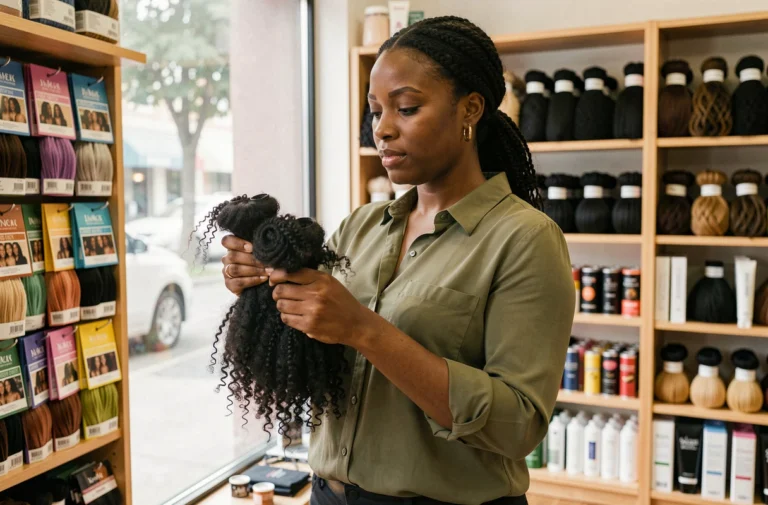
So Sports is a platform that aggregates content, disciplines, and sports experiences under one digital roof. Its stance is based on a clear idea: sports are not limited to physical performance; they also encompass recovery, well-being, and social connections among practitioners.
Hybrid sports and immersive experiences: what So Sports highlights
The term hybrid sports refers to a practice that combines physical effort, immersive technologies, and a social dimension. This format is gaining ground in France, as evidenced by the programming of FITEX Paris 2026, built around hybrid sports, immersive technologies, and next-generation well-being.
So Sports is part of this trend by offering content that goes beyond results or rankings. The platform covers both traditional disciplines and emerging formats, where the goal is not to break a record but to experience a complete journey.
To learn everything about So Sports, simply browse through the various sections: each discipline is presented with its technical specifics, benefits, and practice modalities.
Sports recovery: a central topic on So Sports
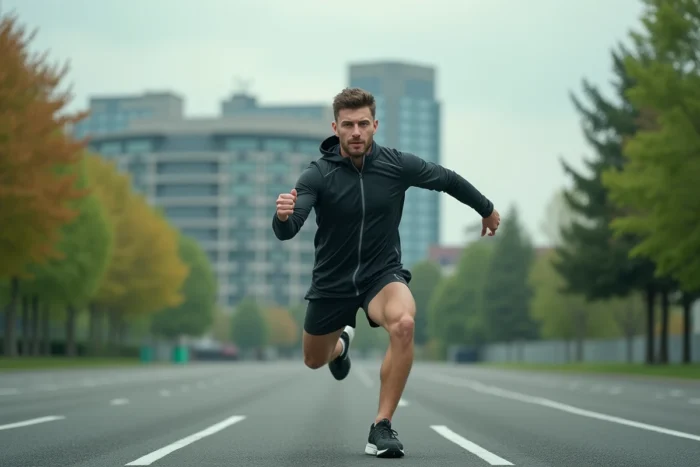
Recovery is no longer just a supplement to training. It has become a standalone editorial topic, driven by the rise of tools like pressotherapy and compression devices. The discourse is shifting: we no longer just talk about “doing sports,” but about recovering better to practice over the long term.
So Sports dedicates a visible portion of its content to this theme. The approach is practical: short sessions, seeking light legs, optimizing venous return after effort. This type of information interests both amateur runners and fitness practitioners who attend multiple sessions per week.
Why recovery changes the way we talk about sports
In a traditional sports media, recovery occupies an anecdotal place, often relegated to the end of an article. So Sports takes the opposite approach: recovery is treated as a discipline in its own right, with its techniques, tools, and protocols.
This positioning reflects a broader evolution. Regular practitioners are no longer just looking for training programs. They want to understand how to preserve their bodies between sessions, reduce soreness, and prevent overload injuries.
Inclusion and women’s sports: a focus present on the platform
Women’s sports are still marked by documented cultural barriers. A recent article from Progrès highlighted the “double burden” faced by female athletes with disabilities, confronted with an environment described as still “a bit macho.” These field testimonies illustrate a gap between the official discourse on inclusion and the real experiences of practitioners.
So Sports addresses these topics without reducing them to isolated sections. Inclusion runs through the content rather than being confined to a category. This editorial choice allows for the intersection of disciplines, profiles, and journeys without compartmentalizing audiences.
- Content that integrates the issue of accessibility right from the presentation of a discipline, not as an afterthought
- Visibility given to mixed practices and formats open to all levels
- A focus on real barriers (social perception, adapted equipment, access to facilities) rather than mere statements of intent
Gradual return to competition: useful content for injured practitioners
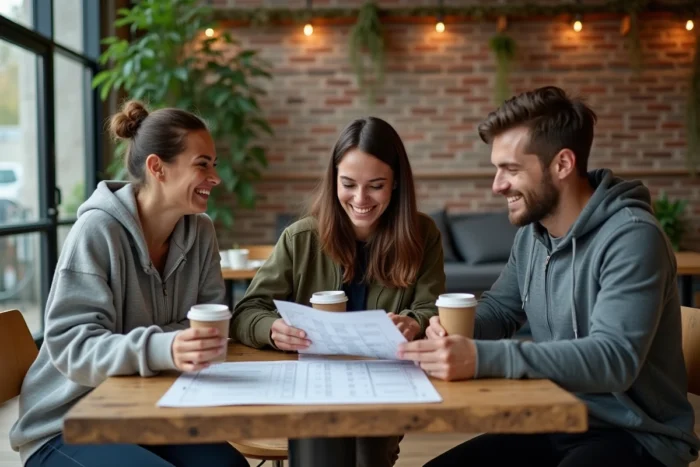
Returning after an injury is a pivotal moment for any athlete. So Sports offers content focused on gradual return to competition, a topic that goes beyond simple medical advice to address mental management, load planning, and technical rehabilitation.
This type of content meets a specific need. A runner returning from a sprain or a swimmer resuming after tendinitis is not looking for a generic program. They want concrete guidelines to gauge effort, identify warning signs, and regain confidence in their athletic performance.
What distinguishes useful return content from generic content
The difference lies in the level of detail. A useful article on returning from injury specifies the stages of progression, the indicators to monitor, and common mistakes. So Sports prioritizes this step-by-step approach:
- Return below the pain threshold, with split sessions and reduced volume
- Monitoring training load over several weeks before returning to usual intensity
- Incorporation of proprioception exercises and targeted strengthening, adapted to the initial injury
- Consideration of psychological factors, often underestimated in return protocols
Experiencing sports differently: what So Sports concretely offers
So Sports does not position itself as a mere aggregator of sports news. The platform builds an editorial ecosystem centered on the practitioner’s experience, from warm-up to recovery, from discovering a discipline to managing an injury.
This approach reflects a shift in the relationship to sports. Practitioners seek content that supports them over time, not just at the moment of results. So Sports meets this expectation by combining technical information, human dimension, and diversity of covered disciplines.
The sport as presented by So Sports integrates performance, recovery, and inclusion into a single flow of content. This editorial coherence is likely its most distinctive asset compared to sports media that continue to separate these topics into isolated silos.